
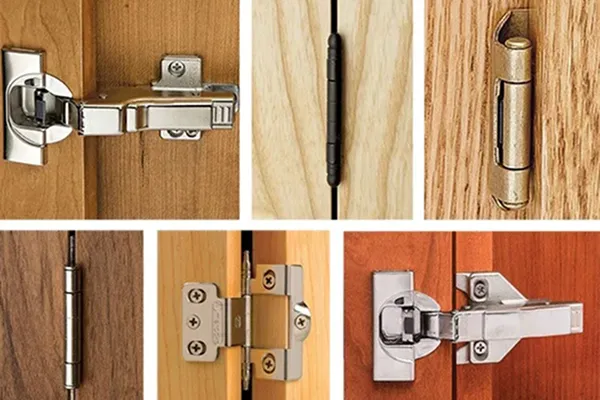

When choosing hinges for steel and iron doors, you must consider several technical and operational factors at the same time: the weight and dimensions of the door, the opening style, the amount of traffic, environmental conditions (humidity, outdoor space), the need for a soft close or multi-point lock, and finally the quality of the material and the installation method. In this comprehensive guide, I will explain step by step all the necessary points for choosing the right hinge so that you are optimal in both installation and door performance.
1. Prerequisites — What do you need to know before choosing a hinge?
- Approximate door weight (kg).
- Door height and width (centimeters).
- Door type: corrugated/plate steel, heavy steel/iron door, or thin steel door.
- Application: Main entrance, interior, service, industrial, high or low traffic.
- Opening direction and required angle (90°, 180°, full turn).
- Need for hidden or visible hinges (aesthetics).
- Environmental conditions: Outdoors, exposed to rain/near the beach, or dry indoor areas.
Having this simple information makes the choice accurate and reliable.
2. Types of hinges suitable for steel and iron doors
1. Simple hinge (ball bearing or screw)
- Suitable for light to medium-heavy doors.
- Simple installation, low price.
- Not recommended for heavy iron doors unless with long screws and frame reinforcement.
- لولای تقویتشده / بولتهینگ (Ball-bearing hinge)
- Suitable for heavy and high-traffic doors.
- بلبرینگ داخل لولا کاهش اصطکاک و سایش را فراهم میکند.
- عمر طولانیتر و باز و بسته شدن روانتر.
- لولای سهتکه یا لولا با پین قابل تعویض (Removable pin hinge)
- برای جاهایی که نیاز به جداسازی سریع درب است (مثلاً سرویسها یا دربهایی که باید برداشته شوند).
- در دربهای آهنی ضخیم با پین قوی استفاده میشود.
- لولای تقویتشده با بلبرینگ و واشرهای ضدسایش
- مناسب دربهای سنگین، دربهای ضدسرقت و ورودی ساختمان.
- ترکیبی از تحمل وزن و عملکرد بدون صدا.
- لولای مخفی (Concealed hinge / invisible hinge)
- برای طراحیهای مینیمال و استیل با ظاهر زیبا.
- نیاز به برش دقیق و نصب ماهرانه دارد؛ معمولاً برای دربهای سبک تا نیمهسنگین استفاده میشود.
- لولای لولای با آرامبند داخلی (دربهای دارای آرامبند یکپارچه)
- ترکیب قابلیت آرامبندی با تحمل وزن.
- برای دربهای داخلی با نیاز به بسته شدن نرم مناسب است، اما در دربهای سنگین آهنی بهتر است آرامبند جداگانه یا هیدرولیک در نظر گرفته شود.
3. Material and coating selection (corrosion resistance and appearance)
- Stainless Steel, such as 304 or 316: Suitable for steel doors and wet or industrial environments; high resistance to rust.
- Galvanized / Zinc-plated steel: Cost-effective for indoor iron doors.
- Brass or bronze: Luxurious appearance, but less useful on very heavy doors.
- Powder coating or electrostatic paint: Recommended to prevent corrosion in outdoor environments.
- Use stainless screws and hooks: If steel hinges are chosen, the screws must also be stainless.
Tip: In coastal or humid areas, be sure to choose stainless steel or a suitable coating.
4. Weight and Dimensional Capacity — How to Choose the Right Size?
- برای هر لولا سازنده مقدار وزن قابل تحمل را اعلام میکند. اما بهعنوان قاعده کلی:
- دربهای تا 25-30 کیلوگرم: 2 عدد لولا ساده ممکن است کافی باشد.
- دربهای 30–60 کیلوگرم: از 3 لولا با بلبرینگ یا لولاهای تقویتشده استفاده کنید.
- دربهای بالاتر از 60 کیلوگرم (دربهای آهنی سنگین یا ضدسرقت): حداقل 3 لولا تقویتشده، ترجیحاً لولاهای صنعتی یا بولتهینگ.
- If the door is very tall or very wide, always use a third hinge (or even a fourth for very heavy doors) to prevent sagging and warping.
- Approximate hinge distribution formula: Each hinge must support at least 25–30 kg; therefore, the sum of the capacities must be greater than the weight of the door and a safety factor of 1.5–2 should be considered.
(Quick example — if the door is 90 kg and you are using 3 hinges, each hinge should support at least 30–40 kg.)
5. Physical dimensions and installation type
- Hinge height and width (e.g. 3x3 inches, 4x4 inches): Larger hinges are better for heavier doors.
- Plate thickness and pin diameter: Thick pins and a sturdy plate provide greater stability.
- نوع نصب: روی سطح (surface-mounted) یا توکار (mortise).
- Mortise hinge (توکار): نصب دقیق و ظاهر تمیز؛ مناسب دربهای چوبی و استیل که امکان فرزکاری دارند.
- Surface-mounted: نصب سریعتر برای ورودیهای فلزی که برش توکار دشوار است.
- Installation direction and detachable pin: A detachable pin is useful for doors that need to be opened and closed quickly.
6. Installation Tips — For Longer Performance and Life
- Precise leveling: Before installation, check the frame and door with a level.
- Use appropriate screws: Screws should be inserted at least 2/3 of the thickness of the frame; use appropriate metal screws for iron doors.
- Pilot holes: Pre-drill holes in the wood or frame to prevent warping or cracking.
- Washer or grease for the pin: Use the appropriate grease to reduce wear and prevent noise.
- Load and Traffic Test: After installation, open and close the door several times to check for signs of pressure or jamming.
- Locking and coordination with the brace: Make sure the hinge and brace do not interfere with each other and the closing angle is correct.
7. Coordination with security and restraint systems
- If you are using multi-point locks or electronic locks, the hinge must be able to withstand the forces from the lock.
- For hydraulic or ceiling jack restraints, the hinge should be smooth and free of play to prevent excess pressure.
- In anti-theft doors, it is very important to use strike plates and reinforced hinges with long screws (at least 8–10 centimeters that connect to the main body).
8. Periodic maintenance and service
- Check for loose screws and loose pins once a month.
- Grease the pins every 6–12 months (depending on traffic and environment).
- In humid environments, corrosion control and, if necessary, replacement or painting of the coating.
- If you hear a noise or find it difficult to move, check immediately: the screws may be loose or the bearing may be damaged.
9. Common problems and quick solutions
- Door is loose or sagging: Usually requires tightening screws or adding/replacing hinges with reinforced ones.
- Noise when opening/closing: Grease the pin or replace the bearing.
- Rust: Use steel hinges or appropriate coating; in severe cases, replace.
- Door stuck in open or closed position: Check the alignment and adjust the distance of the hinges.
10. Quick checklist before purchase and installation
- Measure the weight and dimensions of the door.
- Choosing the right material (steel for wet environments, stainless steel for better outdoor use).
- Determining the number of hinges based on weight and height.
- Choose the installation type (recessed or surface mounted).
- Ensure the quality of screws and connections (stainless if necessary).
- Coordination with restraint/lock and checking the opening space.
- Periodic service planning every 6–12 months.
11. Conclusion and final suggestion
For steel doors: If in a humid or outdoor environment, use steel (304/316) hinges with bearings and appropriate coating; for thinner doors, use concealed hinges with precise installation.
For heavy iron/steel doors: Use reinforced ball bearing hinges or bolt hinges and at least three hinges with long bolts and a strong connection to the building frame. Always observe the safety factor in hinge capacity and take periodic servicing seriously.